
The Apple Watch is widely considered the most reliable piece of wearable technology on the market, powered by the highly optimized watchOS and customized silicon (the S-series chips). However, like any advanced computer, its operating system can experience catastrophic software crashes. A failed Over-The-Air (OTA) firmware update, a corrupted third-party application causing a memory leak, …
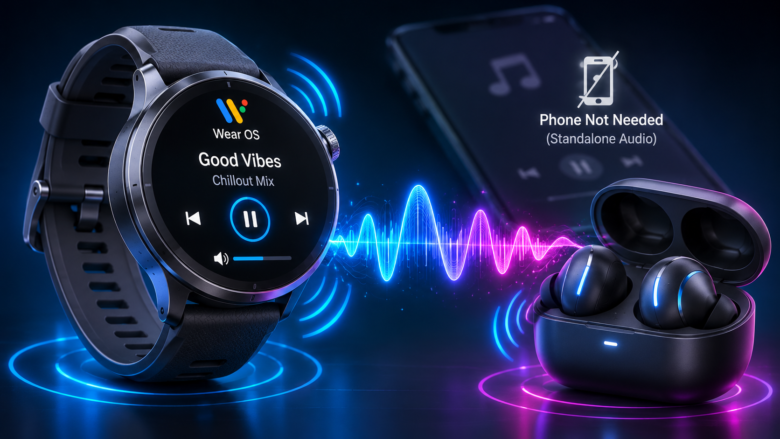
The primary advantage of owning a WearOS smartwatch is the ability to leave your heavy smartphone at home during a workout or a run, relying on the watch’s internal storage or cellular connection to stream music directly to your wireless earbuds. However, managing a Bluetooth connection from a smartwatch is fundamentally different than managing one …
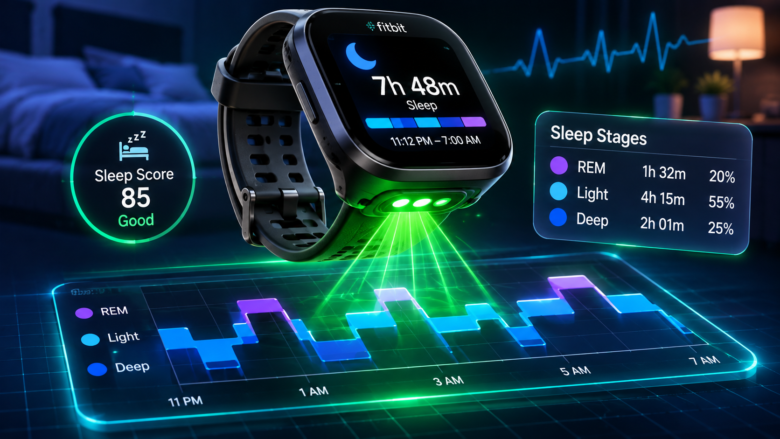
Fitbit (now fully integrated into the Google wearable ecosystem) relies on a combination of 3-axis accelerometers and Photoplethysmography (PPG) sensors to estimate your nightly sleep architecture. Unlike clinical polysomnography (PSG) which utilizes electrodes to measure actual brain waves (EEG), wrist-based wearables infer your sleep state strictly through movement and cardiovascular variations. Independent research indicates that …

Amazfit smartwatches—spanning the GTR, GTS, T-Rex, and Bip series—offer some of the most vibrant AMOLED displays and longest battery lives in the wearable market. While the default Zepp application provides a curated gallery of official watch faces, advanced users often find these designs aesthetically limiting or lacking in specific data complications (like dual time zones, …

Garmin smartwatches—particularly the Fenix, Forerunner, Epix, and Instinct series—are engineered for extreme endurance. Unlike standard smartwatches that require daily charging, a properly configured Garmin device should yield anywhere from 7 to 30 days of battery life depending on the model. When a Garmin watch suddenly begins draining by 30% to 50% in a single day, …